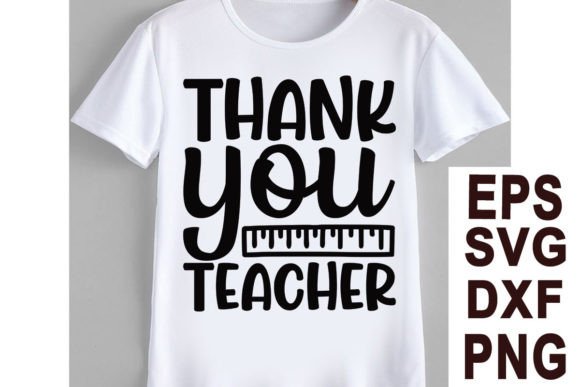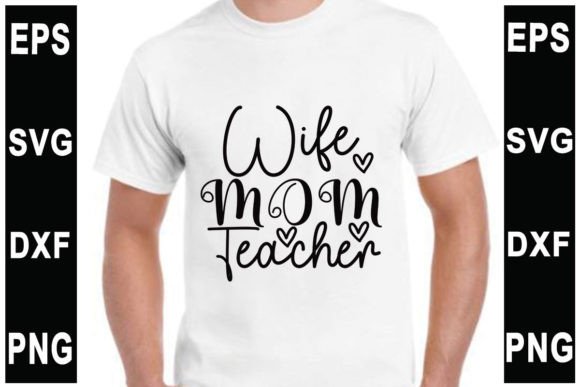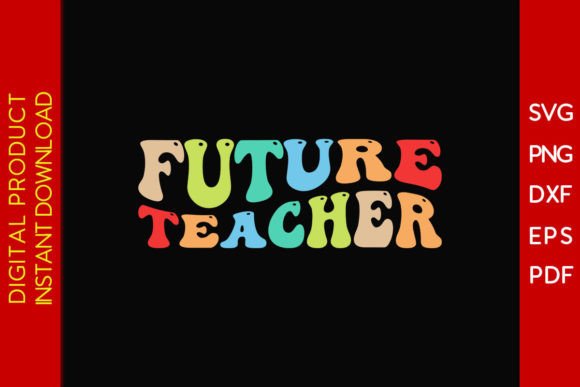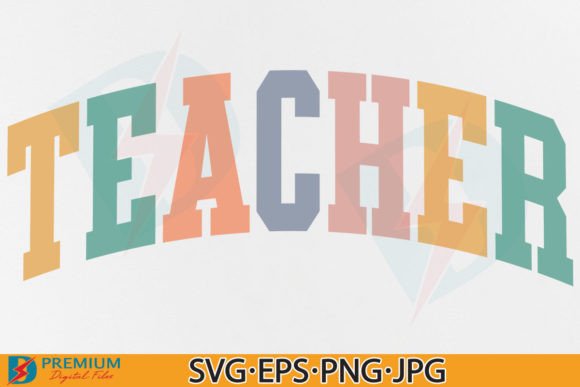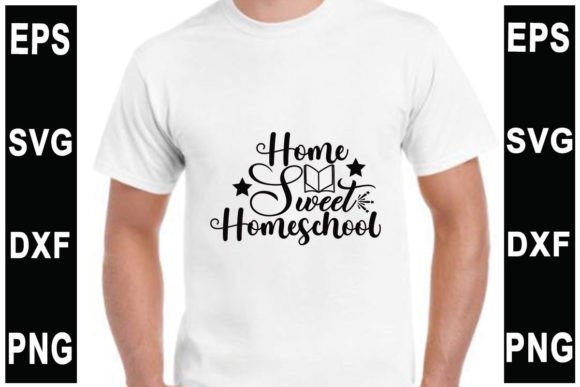
Teacher SVG Design for Modern T-Shirt Graphics and Website Publishing
Real-World Applications for Bloggers and Publishers
- Blog Featured Images: Use it as a background or overlay in blog headers to signal the theme of the post at a glance.
- Pinterest Pin Graphics: The clean layout and bold imagery make it highly clickable on Pinterest, especially when paired with short, punchy headlines about homeschooling tips or tools.
- Newsletter Headers: Incorporate it into your newsletter banners to create a consistent visual identity that resonates with your audience.
- Lead Magnets and Digital Guides: As part of a lead magnet or digital download, the design adds a polished touch that enhances perceived value.
- Downloadable Printables: Ideal for worksheets, planners, or activity sheets aimed at homeschoolers. It gives the impression of quality and thoughtfulness.
- Social Media Previews: Works well as Instagram story art or Facebook cover images for homeschooling communities.
- Canva Templates: This asset integrates smoothly into Canva templates, helping publishers streamline their workflow while maintaining high editorial standards.
Where This Design Thrives: Strategic Placement Tips
- Hero Images: Use it as a hero graphic behind a headline promoting a new homeschool curriculum or blog series.
- Article Thumbnails: Pair it with concise titles to build anticipation and interest before users even read the content.
- Editorial Accents: Insert smaller versions of the design into sidebar widgets or navigation menus to maintain a cohesive look across your site.
- Content Upgrades: Add it to free printable downloads or worksheet bundles to make them more appealing and professional-looking.
- Category Visuals: Let it define the visual tone of your homeschooling resource hub or lesson plan archives.
Use With Care: Limitations and Considerations
- Small Mobile Thumbnails: The intricate details may become unclear when scaled down too much.
- Text-Heavy Blog Images: If you have long captions or dense headlines, the design could compete for attention rather than complement it.
- Low-Contrast Backgrounds: Test how it looks against lighter or darker tones to ensure legibility and clarity.
- BUSY Layouts: Don’t overuse it in cluttered designs; let it stand out as a focal point instead.
- Corporate or Professional Niches: While great for lifestyle and educational sites, it may not fit serious corporate content or minimalist branding systems.
Practical Notes for Digital Publishers
Test Across Devices: Preview the design in both desktop and mobile formats to see how it scales and retains detail.
Thumbnail Testing: Upload it as a test thumbnail on Pinterest or your CMS dashboard to assess visibility and appeal at smaller sizes.
Headline Integration: Try pairing it with different types of fonts—serif, sans serif, script, handwritten, and display—to find the best match for your brand voice.
Contrast and Readability: Make sure any text overlays are legible against the design. Consider converting to black and white for accessibility checks.
File Size and Performance: Since it includes EPS, SVG, PNG, and DXF files, choose the right format for each platform. Compress PNGs for web use and confirm SVG optimization for faster load times.
Licensing Check: Always verify the commercial license before using it on monetized websites, affiliate marketing campaigns, or paid digital products. This ensures legal compliance and protects your content strategy.